A Powerful Review and Our 11th Award
We are deeply honored to share that "My Father, The Healer" has received an amazing review from Lonely Wolf Journal, which is associated with the Lonely Wolf Film Festival – the very festival where we recently won our 11th award.
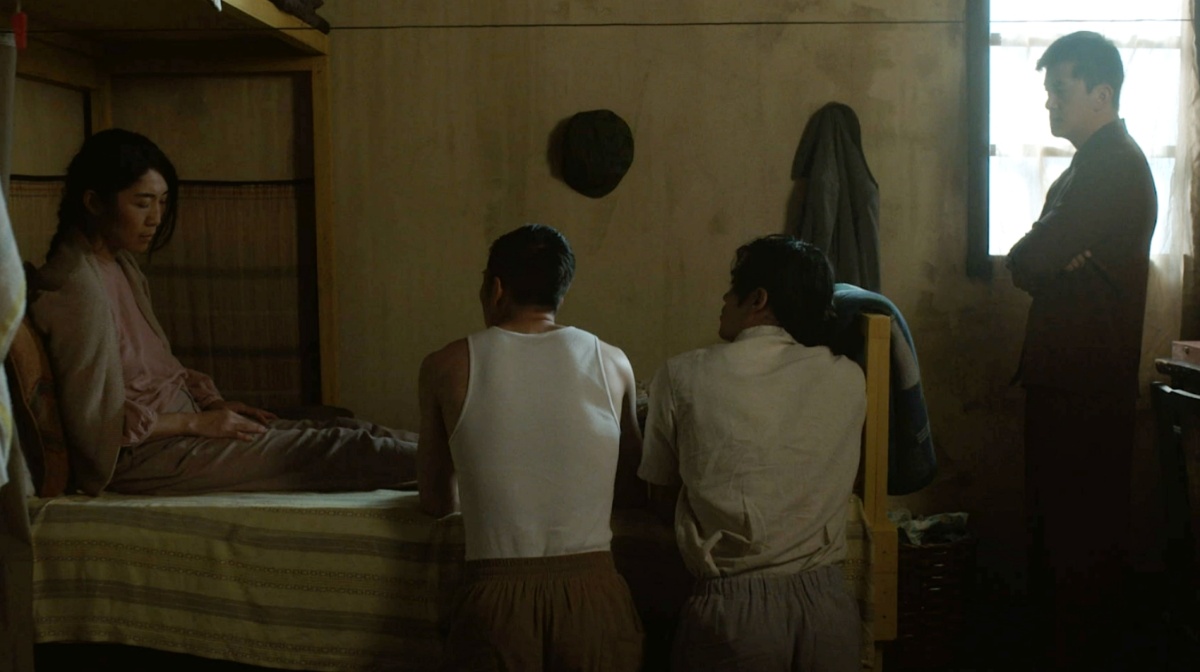
Nick Conedera and Tom Pritchard have excavated something extraordinary from the bedrock of intergenerational trauma—a documentary that transcends its biographical constraints to become a meditation on the impossibility of inheritance, the burden of gifts, and the specific cruelty of filial expectations under totalitarian regimes. My Father: The Healer operates in that liminal space between Werner Herzog's metaphysical inquiries and Rithy Panh's traumatic historical reckonings, where personal memory becomes collective testimony and family drama reveals the psychic architecture of an entire civilization's suffering. The film's hybrid approach—seamlessly weaving archival re-enactments with present-day confrontation between father and son—creates a temporal palimpsest where Maoist China's Cultural Revolution haunts contemporary American abundance like an unexorcised ghost. Victor William Chen's Master Li carries himself with the paradoxical presence of someone simultaneously omniscient and unknowable, a man who communes with "the light" yet remains perpetually opaque to his own son, his body a testament to survival's terrible costs.
What makes this documentary cinematically transcendent is Tom Pritchard's exquisite camera work, which treats Master Li's story with the visual reverence typically reserved for Terrence Malick's philosophical wanderings. The cinematography achieves something genuinely rare: it makes visible the invisible energies Li describes, not through cheap special effects but through compositional grace—long, patient takes that allow us to witness QiGong practice as both physical discipline and metaphysical communion. The sequences in Sheng Yang, where Li returns to his childhood home, pulse with devastating intimacy; Pritchard's camera discovers poetry in cramped 600-square-foot apartments that housed ten people, in bathrooms "too short," in the spatial architecture of deprivation that shaped an entire generation's psychological infrastructure. These aren't merely locations but psychogeographic maps of trauma, and the filmmakers understand that showing us these spaces allows us to comprehend how Master Li's gifts emerged directly from conditions designed to crush the human spirit. The re-enactments of Li's childhood abuse don't sensationalize; instead, they operate like traumatic flashbacks—fragmentary, visceral, unavoidable.
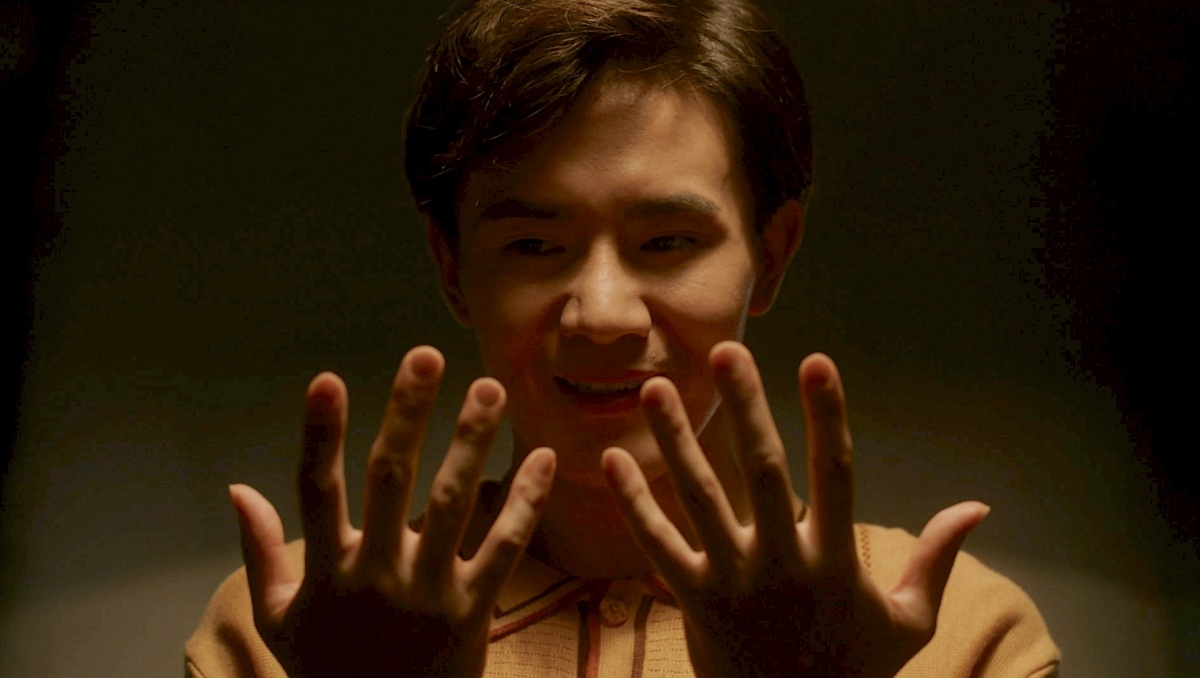
The film's conceptual brilliance lies in its dual narrative structure: we're simultaneously watching Master Li's origin story (the wounded child discovering mystical abilities under his parents' cot, the light that "healed his wounds") and his son's contemporary struggle to understand a father who "always felt like an unreadable, mysterious abyss." This structural choice illuminates something profound about the transmission of trauma—how Master Li, having survived his own father's explosive rage after his mother's botched sterilization, unconsciously recreated patterns of emotional unavailability and authoritarian distance with his own children. The son's confession that "he always wanted me to see him as a person of authority, as a teacher" rather than simply as "a dad" captures the tragedy of the healer archetype: Li learned to channel divine energy but never learned the mundane magic of emotional presence. His wife's dual role as both spouse and disciple crystalizes this impossibility—how does one maintain intimacy when the beloved must remain perpetually elevated, untouchable, master rather than man?
The filmmakers demonstrate remarkable sophistication in contextualizing Li's QiGong mastery within China's specific historical brutality. The sequences detailing Mao's population control policies—leading to Li's mother's catastrophic sterilization and paralysis—operate as historical horror while explaining the psychological genesis of Li's hypervigilance: "perfection prevented punishment." When his father dies shortly after, leaving 30-year-old Li as primary caretaker, the film captures how survival under totalitarianism requires a particular form of dissociation: "you only have one chance to make it... you have to do whatever it takes." This isn't mere backstory but the origin of Li's entire relational template—the man who "never stopped, never rested, never gave himself even a moment to think about where our lives were headed." That same survival mechanism that allowed him to care for his paralyzed mother and siblings while perfecting his mystical practice becomes, decades later in American abundance, an inability to simply be rather than constantly do, to connect rather than perform authority. The film's tragic irony: the very mechanisms that enabled Li's survival and gift-development rendered him incapable of the vulnerability required for genuine intimacy.
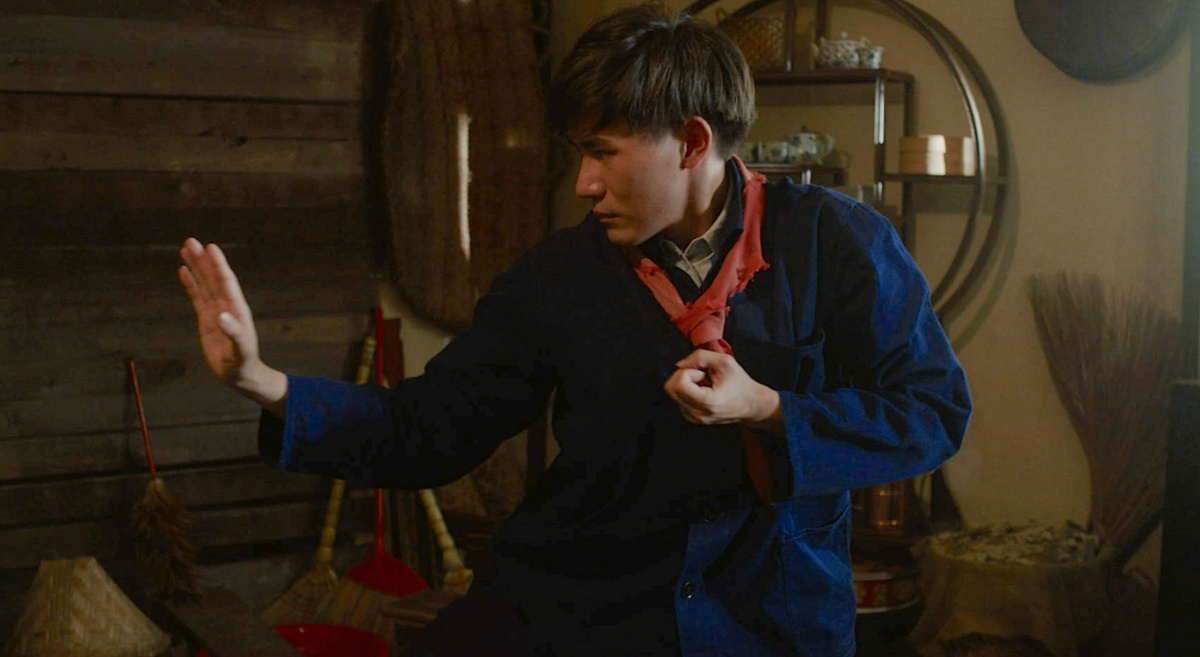
My Father: The Healer achieves documentary apotheosis by refusing to resolve its central paradoxes. Conedera and Pritchard understand that this is fundamentally a film about the limits of healing—how a man can develop extraordinary abilities to help "thousands heal themselves from terminal diseases" while remaining imprisoned by his own unprocessed childhood terror, his Cultural Revolution survival strategies, his inability to be anything other than "master." The film's formal restraint becomes its greatest asset; by maintaining observational distance even during moments of maximum emotional intensity, the filmmakers create space for us to witness something genuinely complex: a son trying desperately to see his father clearly while the father remains fundamentally unable to be seen, both men trapped in patterns neither fully understands. This is filmmaking as depth psychology, camera-as-witness achieving what years of therapy might not—making visible the invisible architecture of intergenerational wounds. Essential, devastating, ultimately compassionate in its refusal of easy judgments, this is documentary cinema operating at the highest echelon of the art form.
"This is filmmaking as depth psychology, camera-as-witness achieving what years of therapy might not—making visible the invisible architecture of intergenerational wounds."
Related Articles
Facing Myself Through the Camera Lens
I thought I was making a film about healing. In the end, it was the film that helped heal me.
From Prayer to Meditation: A Practice for All of Us
Discovering the universal bridge between devotion and inner awareness that connects all spiritual traditions.
An Excerpt From My Memoir
We are all healers. The question is not whether we can heal, but whether we choose to heal.